


Best solar inverter system for a poultry farm in Kenya
For most small-scale poultry farms, a dedicated solar inverter system represents a significant investment. Heat lamps and incubators need power around the clock, which usually means at least 10 kWh of battery capacity to run reliably, which could not make financial sense for a small operation.
For small-scale poultry farms, solar provides backup power alongside the grid, keeping chicks warm during a blackout. At a larger commercial scale, solar inverter systems like the PowerHub Pro can support water pumping and all other needs.
When the power goes out overnight during a blackout, chicks under a heat lamp can go cold fast, and a farmer can lose a batch before morning. It is tempting to assume a solar system solves this outright, but the honest answer is more complex than that. This guide explains what actually draws power on a poultry farm, why battery size is the real challenge, and where a Sun King system genuinely fits.
How much energy does a poultry farm need
A poultry farm’s energy needs add up quickly once heating is involved. Here is what typically draws power:
- Heat lamps: around 250 W each, with up to 4 units running at once on a single brooding setup
- Water pump: commonly 0.5 HP, though this is often shared with general household use rather than the farm alone
- Basic lighting: around 10 W per bulb
- Egg incubator, 600 eggs: around 350 W
- Egg incubator, 1,000 eggs: up to 750 W
Four heat lamps running together can draw up to 1,000 W on their own, and that is before lighting or an incubator is added. This is the detail that changes the sizing conversation entirely.
Why battery capacity matters more than solar panels
Heat lamps and incubators need power through the night, which means the system has to be sized around battery capacity rather than solar panel size. For reliable overnight runtime on a full brooding and incubation setup, a farm generally needs at least 10 kWh of battery storage.
This is also a seasonal factor. Chickens need round-the-clock heat in some seasons, particularly around June and July, which makes the overnight power draw a real, recurring cost rather than an occasional one.
Is a solar system worth buying just for a poultry farm
Buying a solar inverter system specifically to run a poultry farm may not make economic sense for a small-scale operation. The battery capacity needed to run heat lamps and an incubator reliably through the night could push the cost past what a small farm’s income can reasonably justify. For larger farms, Sun King’s customisable solar inverter systems could be the perfect solution to energy needs.
Message the Sun King team via the PowerHub solar inverter page to talk through your setup before deciding on anything.
Ways Sun King systems can help on a poultry farm
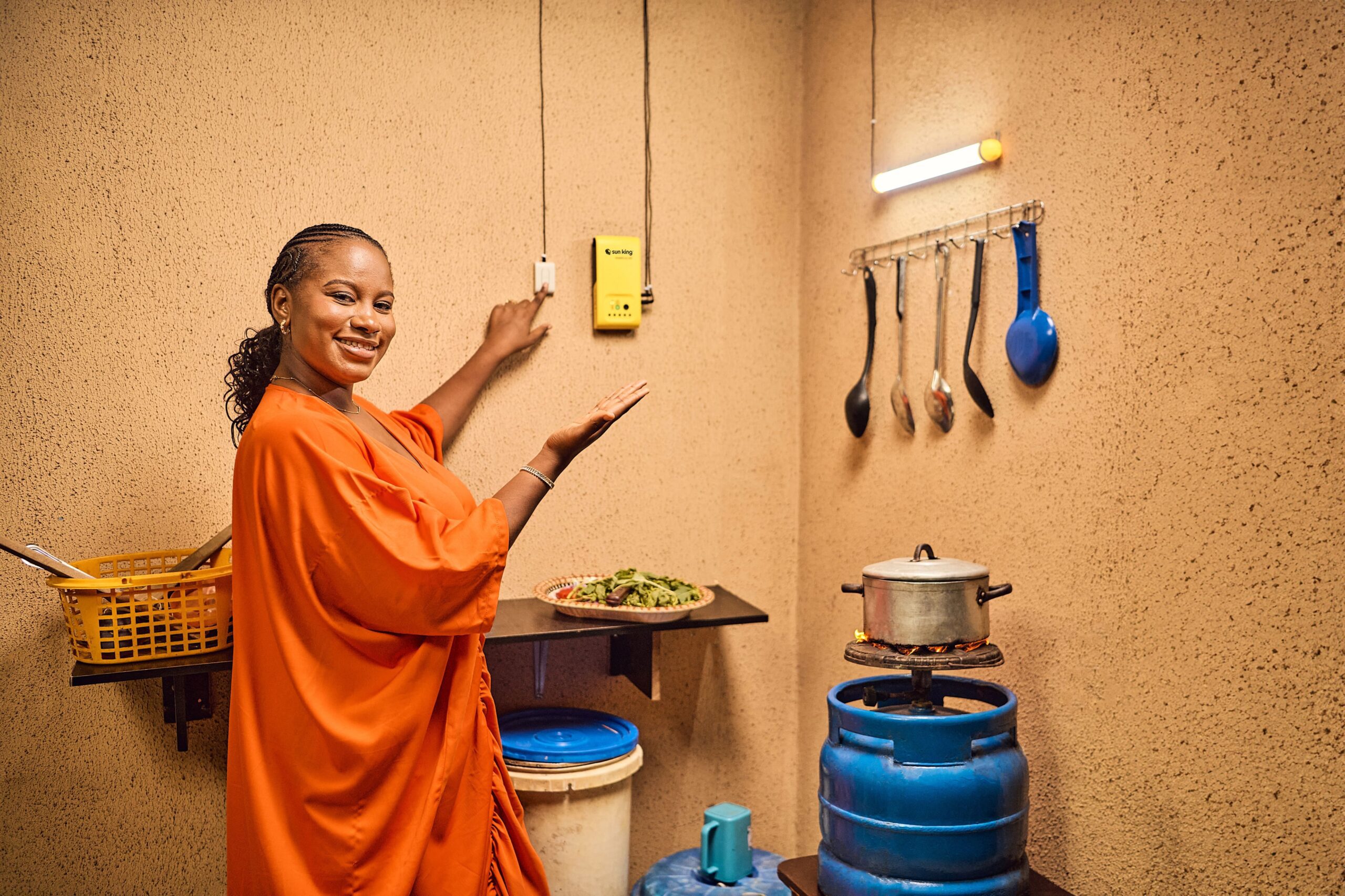
As backup power, not a primary system. Sun King has tested a setup similar to the PowerHub Core on a poultry farm that stayed connected to the grid, using the solar system purely as backup. That farm kept mature chicks, without an incubator, using basic incandescent lighting rather than heat lamps or incubation equipment. Used this way, alongside the grid rather than instead of it, a system like this can keep chicks from going cold during a blackout without needing to carry the full daily load on its own.
At a commercial scale, for pumping and lighting. One Sun King customer runs a farm of over 3,000 chickens on a larger system, with a 5 kW inverter, a 5 kWh battery, and 2.7 kWp of solar. This farm buys day-old chicks rather than using an incubator, and uses LPG gas for warming rather than electric heat lamps. The solar system supports water pumping and basic LED lighting for the chicken compartments, not the heating itself.
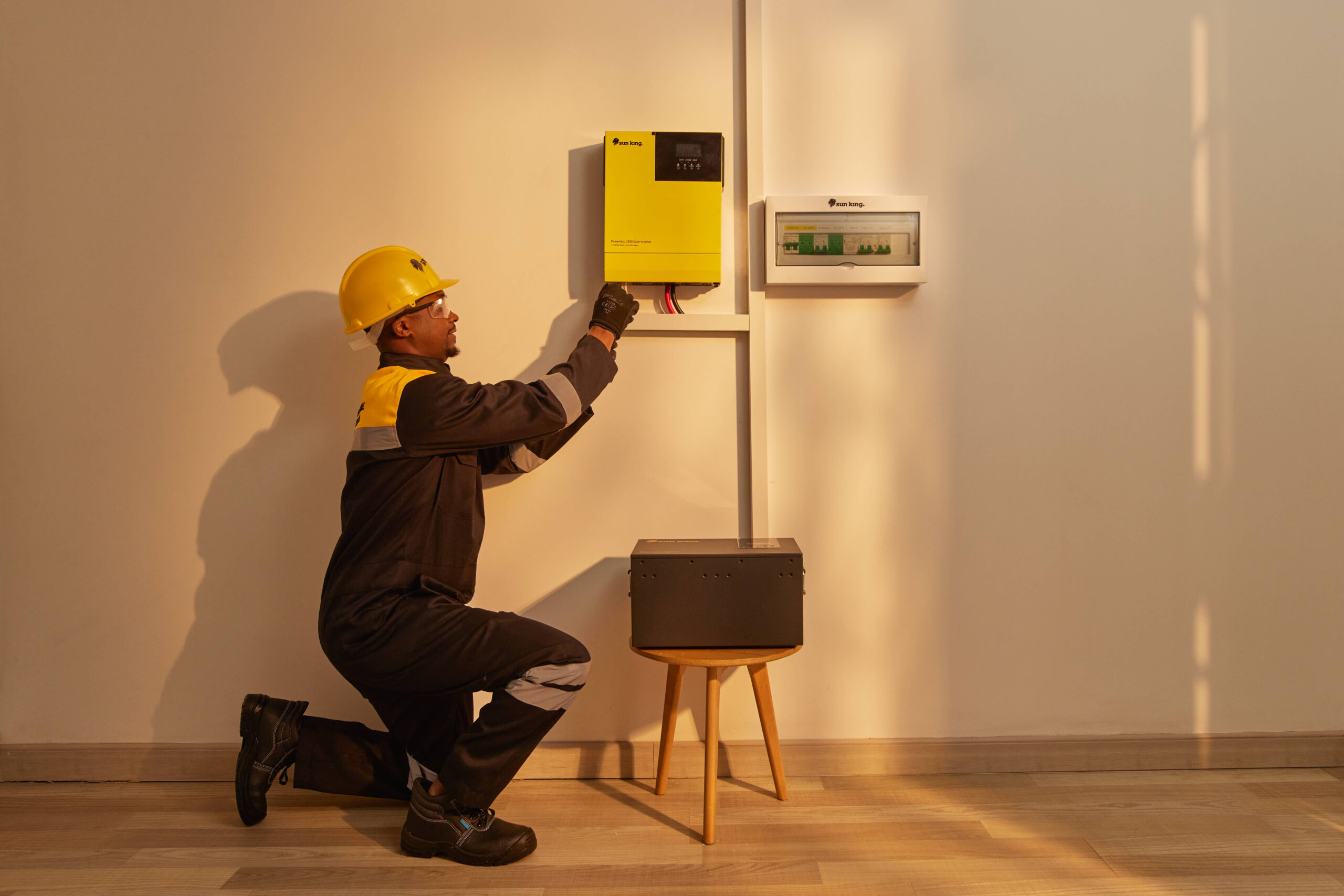
Covering the full range of a poultry farm’s energy needs. Our high-end PowerHub systems, like the PowerHub Pro, are customisable and can be built with a 10 kWh or larger battery. This is enough to power a standard poultry farm throughout the night.
Contacting us using the form on the PowerHub page is the best way to talk through what backup or support setup makes sense for your farm.
How EasyBuy works
EasyBuy is Sun King’s installment payment method, built around a small deposit followed by small regular payments. This makes it possible for you to access solar power for your farm without paying the full cost upfront.
For current deposit and payment figures on any system, visit the PowerHub product page or message the team on Facebook, since these are best confirmed directly for your specific setup.
Frequently Asked Questions
Can solar power a poultry farm in Kenya?
Solar can support all parts of a poultry farm, such as water pumping, basic lighting, backup power to keep chicks warm during a blackout, running heat lamps and an incubator reliably through the night. Whether this makes financial sense depends on the nature of the farm.
How much battery capacity does a poultry farm need?
A poultry farm running heat lamps and an incubator through the night generally needs at least 10 kWh of battery capacity for reliable runtime, which can be offered by Sun King’s PowerHub Pro solar inverter systems.
Does Sun King recommend solar for poultry farms?
Sun King generally recommends against buying a solar system specifically to run a poultry farm at small scale, since the battery capacity needed for heating and incubation may not make economic sense. For smaller farms, solar works well as backup power, or at a larger commercial scale to support pumping and lighting alongside another heat source.
Sun King’s PowerHub Pro system is perfect for larger commercial poultry farm needs.
Can solar keep chicks warm during a power cut?
Yes, a Sun King system used as backup power alongside the grid can help keep chicks warm during a blackout, particularly for mature chicks under basic lighting rather than a full incubation setup.
How do I know if solar makes sense for my poultry farm?
Whether solar makes sense for a poultry farm depends on what you need it to do, not just how many birds you keep. Contact the Sun King Kenya team via the PowerHub page to discuss your setup and get an honest answer for your farm.