

Best solar inverter system for a butchery in Kenya
A typical Kenyan butchery runs a chest freezer continuously, alongside lighting, a digital scale, and occasional bursts from a mincer or bone saw. Refrigeration is the real energy needed here, not a single big motor. Sun King’s PowerHub already runs this exact setup for a real customer, while the smaller PowerPlay Pro can suit a butchery with just a freezer and lighting. A free site visit confirms which fits your shop.
When the power goes out during a blackout, a full chest freezer stops being an asset and starts being a risk, since spoiled meat means lost stock and lost income in the same afternoon. A typical butchery freezer draws between 180 W and 360 W when running continuously, day and night, which is a very different energy requirement from a single machine that only switches on now and then. This guide breaks down what actually runs in a Kenyan butchery and which Sun King system fits.
What runs in a typical Kenyan butchery
A butchery’s equipment list is shorter than most businesses, but each item matters for sizing. Here is what typically runs, with approximate power draw for each:
- Chest freezer, small to medium: 180 W to 250 W, running continuously
- Chest freezer, large: up to 360 W, running continuously
- Meat mincer: around 1 HP, used in short bursts
- Bone saw: commonly 1 HP or 2 HP, used in short bursts
- Digital weighing scale, rechargeable: around 5 W
- LED lighting, two bulbs: around 15 W each, roughly 30 W total
The freezer and lighting run for most of the day. The mincer, bone saw, and scale charging happen in short windows rather than continuously, which is an important distinction when sizing a system.
Why refrigeration is the real energy need
Refrigeration is the main continuous energy need in a butchery, not a single high-powered motor that starts once and stops. A freezer draws power steadily through the day and night, whether the shop is open or closed, which means the system needs enough battery capacity to carry that load for hours without sunlight, not just enough inverter capacity to handle a brief surge.
This changes how you should think about sizing compared to equipment like a posho mill, where the challenge is a short, sharp burst of starting power. A butchery’s freezer needs steady, dependable runtime above almost everything else.
Message the Sun King Kenya team to get guidance on the right system for your butchery.
Which Sun King system fits a butchery
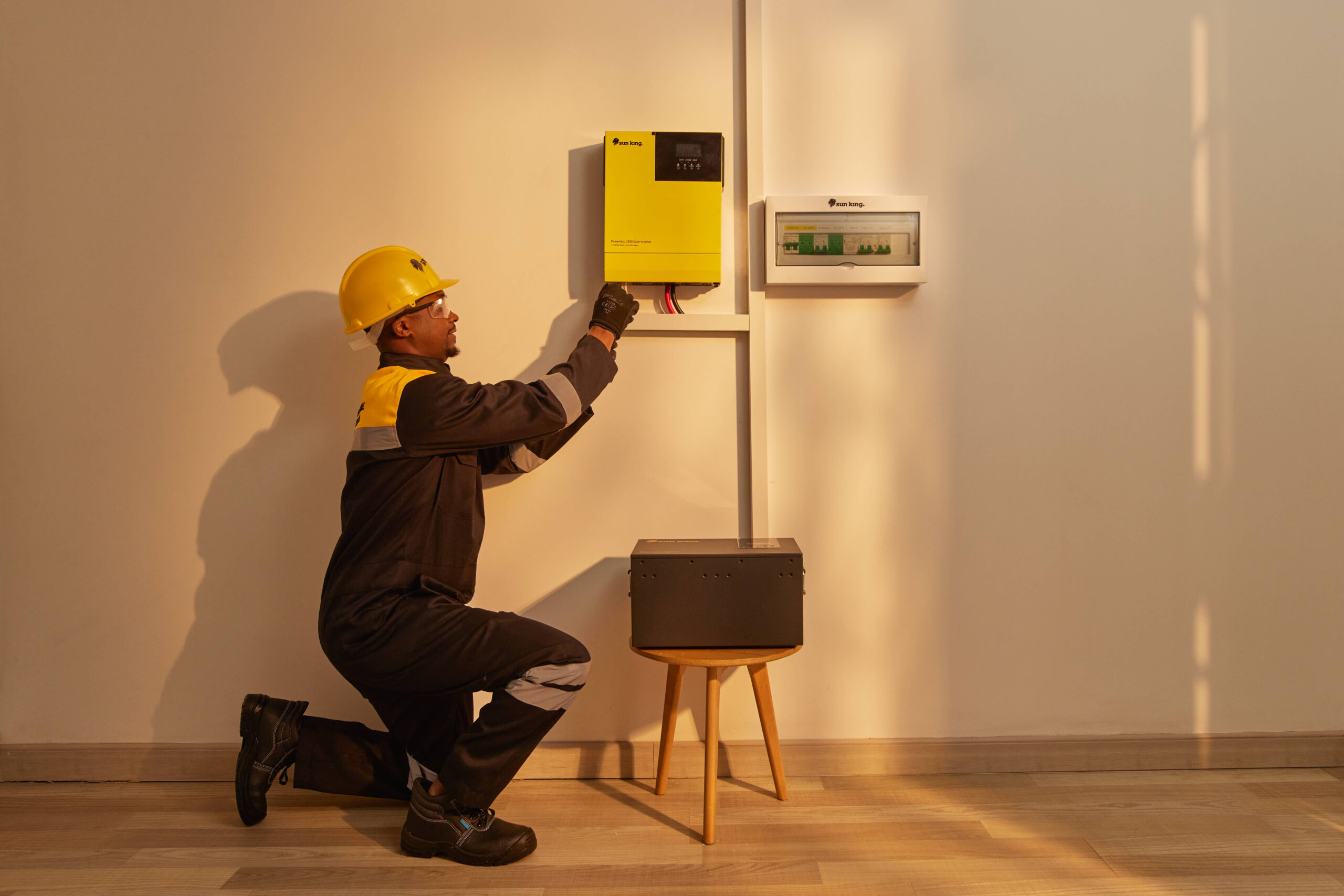
PowerHub. One Sun King customer runs a small chest freezer at 180 W on a PowerHub, the system with a 3.3 kW continuous rating, a 5 kWh battery, and 1.8 kWp of solar. Over the past seven days, her highest daily energy use has reached 1.8 kWh, comfortably within what the 5 kWh battery holds. She also has a bone saw, a mincer, and shop lighting on site. The freezer’s steady draw is what the battery is sized around, and the system’s 4.5 kW surge rating gives it headroom for the short bursts a mincer or bone saw adds when they are switched on.
PowerPlay Pro. For a smaller butchery running just a freezer, lighting, and a scale, with no power tools, the PowerPlay Pro’s 600 W continuous rating comfortably covers a freezer up to 360 W plus lighting and scale charging. This is based on the product’s published specifications rather than a tested butchery case, so a site visit is still worth confirming before you commit.
Running tools and the freezer together. A butchery that regularly runs the freezer, lighting, and a 1 HP or 2 HP power tool at the same time draws more than a butchery running the freezer alone. This is exactly the kind of detail a free site assessment is built to confirm, since it depends on how often the tools run and whether more than one is used at once.
Sending us a message is the fastest way to get your specific shop assessed.
How EasyBuy and lipa mdogo mdogo work for a butchery
EasyBuy is Sun King’s instalment payment method, built around a small deposit followed by small regular payments. For a butchery owner, this means the freezer and the rest of the shop can run on solar without paying the full cost of a system upfront.
The process is simple. You confirm the right system for your shop, pay the deposit, and start using it while paying the balance off weekly.
For current deposit and payment figures, visit the PowerHub or PowerPlay Pro product pages.
Frequently Asked Questions
What size inverter does a butchery need in Kenya
A butchery generally needs a system sized around its freezer’s continuous draw rather than a single large motor, since the freezer runs all day and night. A small to medium butchery with a chest freezer, lighting, and occasional power tool use fits within the PowerHub.
Can a solar inverter run a chest freezer in Kenya?
Yes, a solar inverter can run a chest freezer in Kenya, since a typical chest freezer draws only 180W to 360W continuously, well within what Sun King’s standard systems provide. Battery capacity matters most here, since the freezer needs to keep running through the night.
Can one system run a freezer and a bone saw or mincer together
Yes, a system like the PowerHub can run a freezer alongside occasional bursts from a bone saw or mincer, since its surge rating is built to absorb short bumps in power draw. How often the tools run and whether they overlap is worth confirming during a site visit.
How much does a butchery inverter system cost in Kenya
The cost depends on which system fits your shop’s equipment and freezer size. Check the PowerPlay Pro or PowerHub product pages for current pricing, or message the team on WhatsApp for guidance on your specific setup.
How do I get the right inverter for my butchery?
A butchery’s energy needs come down mostly to the freezer running steadily through the day and night, with lighting and occasional power tool use on top. Sun King’s PowerHub already runs this setup for a real customer, and the PowerPlay Pro can suit a smaller shop without power tools.